


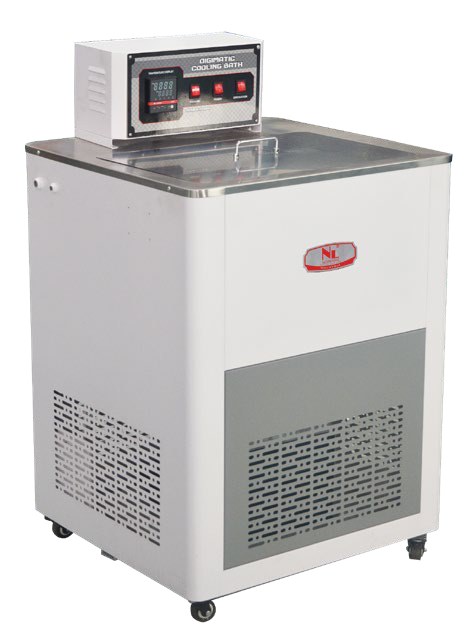
The mortar flow table test measures the consistence (workability) of fresh mortar — the standard companion to cement strength testing, ensuring mortars are compared at equivalent workability.
What the Test Measures
A truncated cone of mortar is moulded centrally on the flow table, the mould lifted, and the table dropped a fixed height a set number of times. The resulting spread diameter, expressed against the original base, is the flow.
Apparatus Required
- Flow table (motorised or hand-cranked) with 10 mm drop and rigid mounting — 254 mm top per ASTM C230, 300 mm per EN 1015-3
- Conical brass flow mould and tamper
- Callipers or measuring scale for spread diameter
- Mixer, scraper and timer
Test Procedure
- Wipe the table top clean and damp; centre the mould.
- Fill mortar in two layers, tamping each 20 times (ASTM); strike off level.
- Lift the mould, then drop the table 25 times in 15 s (ASTM) or 15 times in 15 s (EN).
- Measure the spread along four evenly spaced diameters and average.
Calculation & Reporting
ASTM flow % = (average spread − base diameter) / base diameter × 100. EN reports the mean spread diameter in mm. State the standard, drop count and mortar age at test.
Acceptance Criteria
ASTM C109 strength mortars target a flow of 110 ± 5%. EN 1015-3 classifies plastic mortars around 140–200 mm spread. Adjust water or admixture dosage — never tamping effort — to reach target flow.
Frequently Asked Questions
Why control mortar flow before strength testing?
Strength varies strongly with water content. Comparing cements or admixtures at equal flow isolates the material effect from simple water-cement ratio differences.
What if the mortar sticks to the mould?
Lightly oil the mould interior and lift vertically within one minute of filling. Torn or sheared cones give unrepresentative spreads — repeat the determination.
Recommended Apparatus
Browse the full Cement & Mortar Testing Equipment range or request a quotation from our engineers.
