Skip to content Skip to footer

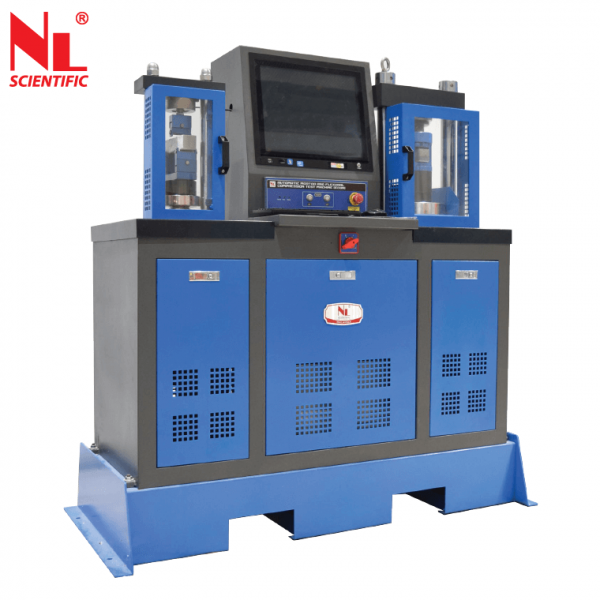
Compression and Flexural Testing Machines 300kN/15kN NL 3033 X / 003

Automatic Mortar Compression & Flexural Machine 300kN/15kN (E-Version) — BS 3892-1,4551-1. Complies with EN 196-1, EN 459-2, EN 13454-2.

[product_tags_no_comma_alt]

Description

Standard: EN 196-1, EN 459-2, EN 13454-2, ASTM C109, ASTM C348, ASTMC349, BS 3892-1,4551-1

Compression and Flexural Testing Machine, Automatic (E-Version)

Compression and Flexural Testing Machine, Automatic (E-Version) is a combination of compression and flexural test machines to measure the resistance to compression and bending (flexure) of cement and mortar by applying controlled forces to specimens.

The purpose of these tests is to determine which material parameters are best for construction like strength, elasticity, and deformation characteristics, which ensure the safety and durability of materials in various applications ranging from construction and manufacturing to research and development.

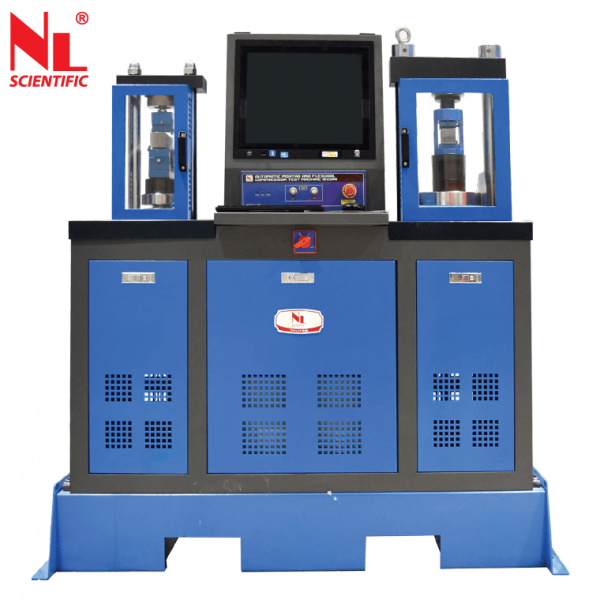
This machine consists of two loading frames with two independent measuring ranges for consistent performance. Its fully automatic computer control provides a constant loading rate for both compression and flexural tests. The advanced and user-friendly computer software enables results to be acquired automatically with the test curve display and result database being saved virtually unlimited inside the computer. Suitable for testing on flexural and compression of 40 x 40 x160 mm mortar prism and compression of 50 mm mortar cubes.
Features

Features of the Compression and Flexural Testing Machine, Automatic (E-Version):

  • Dual Loading Frames: Equipped with two loading frames, one for compression and one for flexural testing, allowing for versatile testing capabilities.
  • Independent Measuring Ranges: Each loading frame is equipped with independent measuring ranges, ensuring precise and consistent performance across different types of tests.
  • Fully Automatic Computer Control: Provides constant loading rates for both compression and flexural tests, ensuring standardized testing conditions and accurate results.
  • User-Friendly Software: Advanced computer software enables automatic data acquisition, test curve display, and result database storage, enhancing efficiency and ease of use.
  • Space-Saving Design: Compact unit combines compression and flexural testing capabilities, saving space in the laboratory while offering comprehensive testing capabilities.
  • Wide Range Test Application: Suitable for testing various materials including cement mortar, gypsum, light concrete, and other construction materials, making it versatile for a range of applications.
  • Force-Controlled Tests: Framework designed for force-controlled tests, with force values determined via strain gauges, ensuring precise control and measurement of applied forces.
Super Test Software
  • User-friendly operation
  • Real-time display of load, strength, and test speed
  • Unlimited saving of test results
  • The test reports can be printed immediately after the test 

Tech Spec

Model NumberNL 3033 X / 003
Type of ModeCompressionFlexural
Max.Capacity300 kN15 kN
Piston Stroke125 mm60 mm
Speed Control Range0 ~ 10 kN/s0 ~ 750 N/s
Vertical Clearance280 mm210 mm
Fixed Top Compression PlatenØ 98 mmØ 88 mm
Fixed Bottom Compression PlatenØ 125Ø 120
Speed Control Accuracy≤ ±0.1 %≤ ±0.5 %
Load Accuracy±1.0 %
Resolution0.01 kN0.1 N
Overall Dimensions (mm)650(W) x 1400 (L) x 1460 (H)
Power240 V, 750 W, 1 ph, 50/60 Hz
Approx. Weight460 kg

Unit Consist Of:

Model NumberPart Description
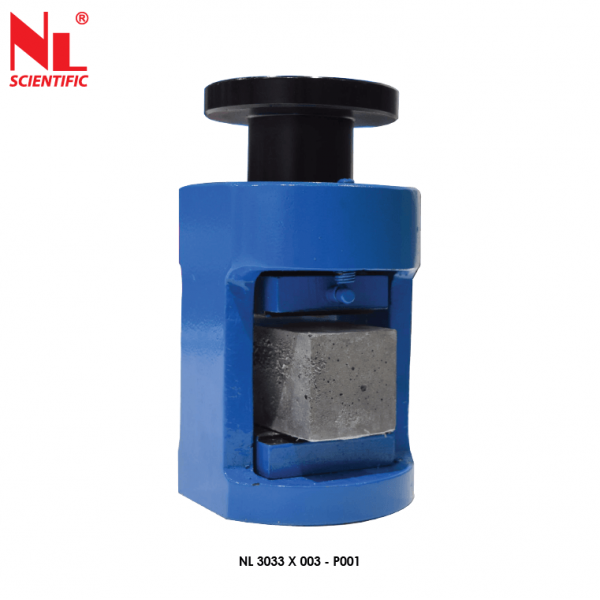
NL 3033 X / 003 – P00140.1 x 40 x 160 mm Mortar Prism Flexural Device
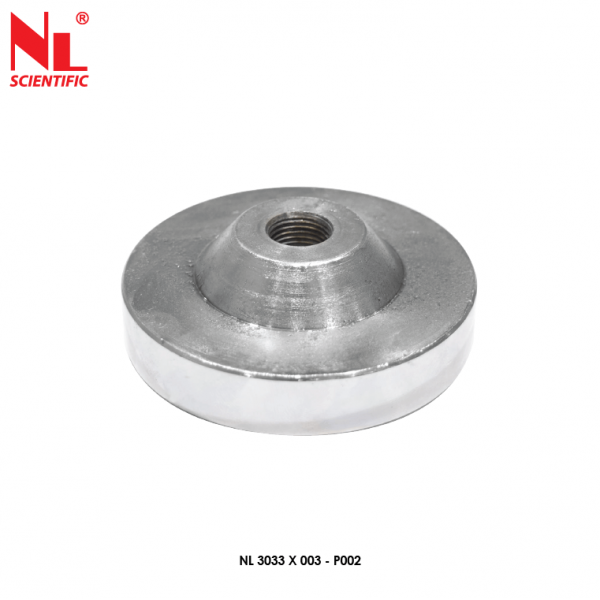
NL 3033 X / 003 – P002Flexural Frame Plunger Disc (For calibration purposes)
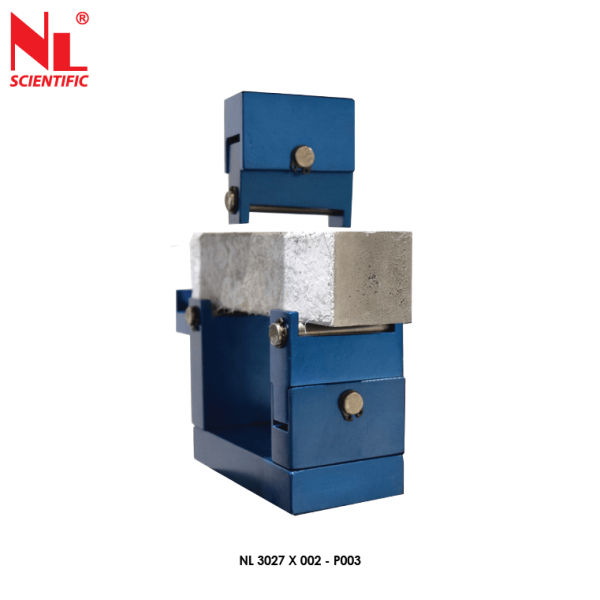
NL 3027 X / 003 – P00340.1 x 40 x 160 mm Mortar Prism Compression Device
NL C-TMCompatible Computer Set c/w SuperTest Software
NL CP – 200Computer Printer

Optional Accessories:

Model NumberPart Description
NL 3027 X / 002 – P002Mortar Cube Compression Device 50 mm (2”)

Standard

Test Procedure

  1. Preparation of Specimens: Prepare the test specimens according to the relevant standards or specifications. This may involve casting concrete or mortar specimens in molds of specified dimensions and curing them under controlled conditions.
  2. Mounting Specimens: Secure the specimens in the loading frame of the testing machine according to the test method being used. Ensure proper alignment and support to prevent any lateral movement during testing.
  3. Adjustment of Testing Parameters: Set the testing parameters such as load rate, displacement rate, or strain rate depending on the specific test requirements and standards being followed. These parameters may vary based on the material being tested and the desired test conditions.
  4. Initiation of Test: Start the test by applying the specified load or displacement to the specimen using the compression or flexural loading mechanism of the testing machine. Ensure that the loading is applied uniformly and steadily to avoid any sudden shocks or fluctuations.
  5. Data Acquisition: Monitor and record the load and displacement or deformation data continuously throughout the test using the built-in sensors or external measurement devices connected to the testing machine. This data will be used to analyze the mechanical behavior of the specimen during testing.
  6. Maintenance and Calibration: After completing the test, perform any necessary maintenance tasks on the testing machine and ensure that it is properly calibrated for accurate and reliable performance in future tests. Regular maintenance and calibration are essential to ensure the integrity of test results and the long-term reliability of the testing equipment.

Resources